Designing for Impact: Minimalist UI Boosts User Engagement and SEO
The mind seeks clarity and ease. The world offers noise and distraction.
At Wings, we craft clean, elegant, and intuitive interfaces—minimalist UIs that feel human. Every design decision is intentional, informed by how we naturally think and interact.
Intuitive (feels natural): easy to understand and use with minimal conscious effort.
Minimalist design boosts user engagement and SEO by reducing cognitive load and delivering faster loading with clear hierarchies.
Why Minimalism?
Because it's truly human-centered.
Not just solving problems—but delighting users meaningfully.
Our approach emerges from users’ natural motivation for clarity, beauty, and purpose. It honors how we think, feel, and interact—creating experiences that not only work well but also feel beautiful and human.
That, to us, is the essence of being human-centered.
"Simplicity is the ultimate sophistication." — Leonardo da Vinci
A refined experience feels effortless—because it hides deep complexity behind clear, intuitive design. It is about stripping away complexity until only the essential remains.
One must have a deep understanding of human behavior (how we naturally interact with technology) to achieve this.
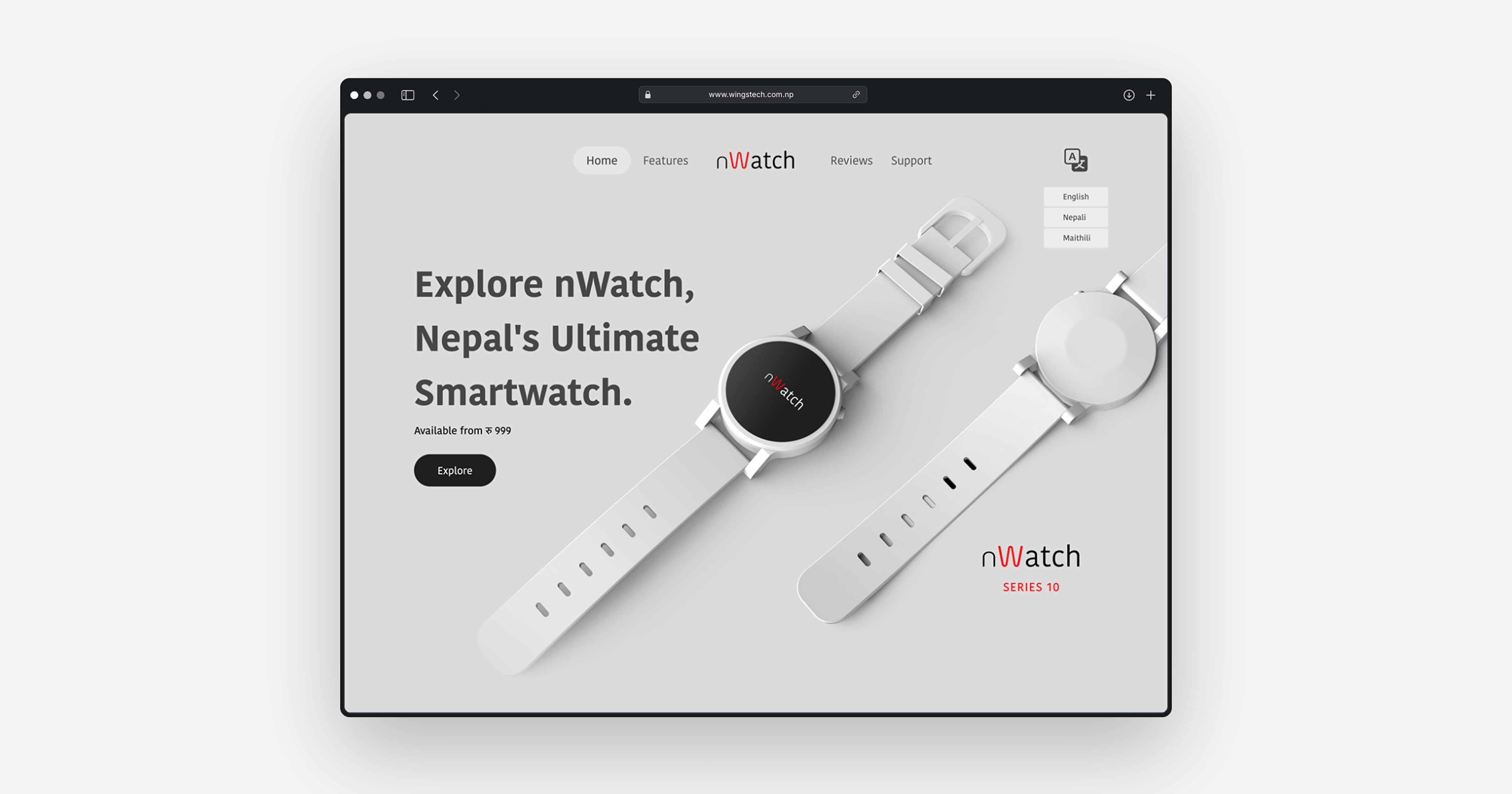
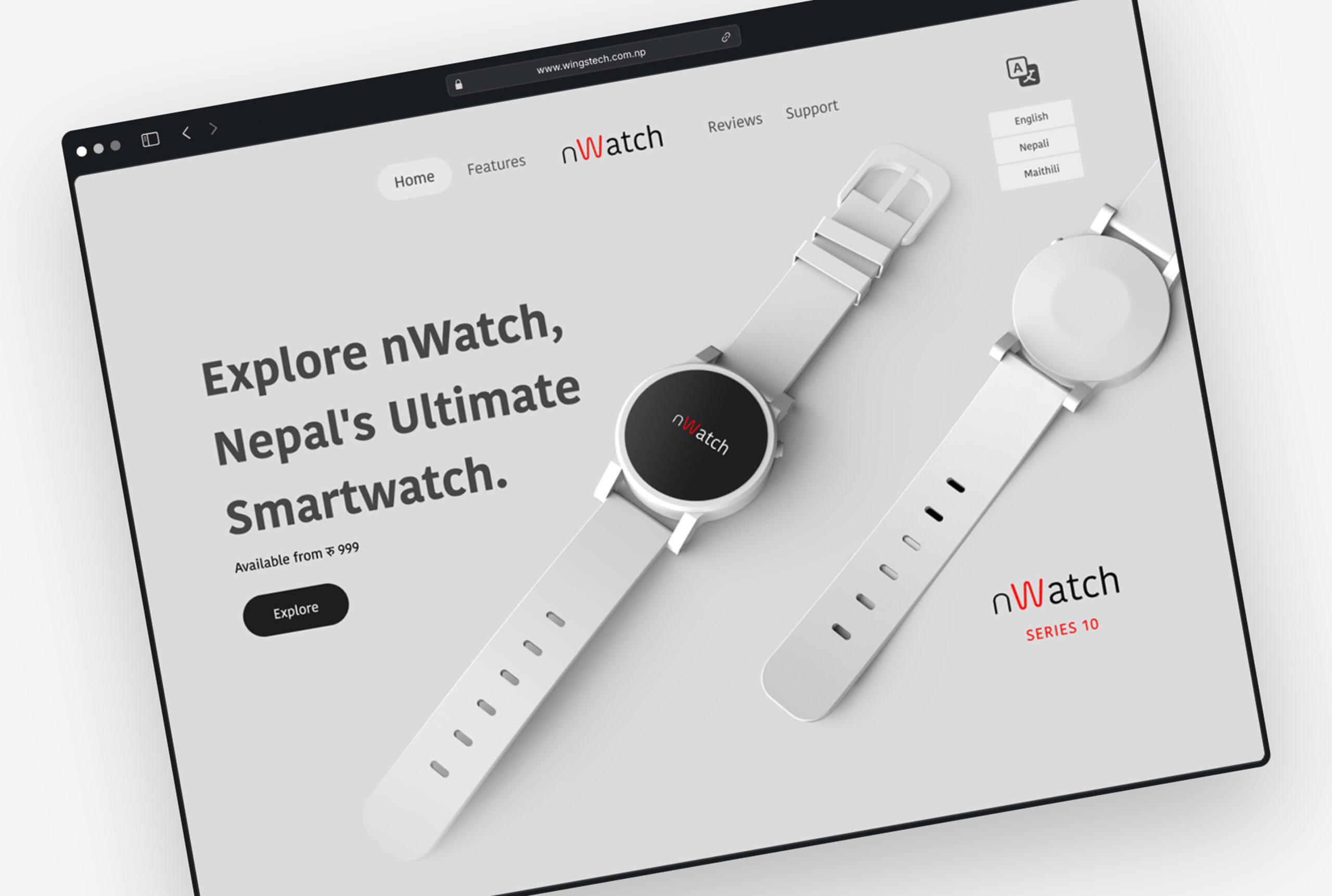
nWatch – Concept Website (Figma)
Clarity is an exceptional competitive advantage in the digital age.
Minimalist designs ensure that users can quickly understand the purpose and functionality of an interface removing frustration, often through clear typography, layout, and color choices.
Studies shows that emotion drives behavior more than logic—design must feel right, not just work well. Minimalism builds emotional connection through simplicity and beauty, creating lasting appeal. Users may feel more confident and satisfied using beautiful, more polished designs.
An experience becomes meaningful when it’s crafted with intention—to serve and honor the user. It serves a clear purpose. It reduces cognitive load, speeds up decision-making, and allows users to focus on what truly matters. In a world cluttered with information, minimalism feels calm, intentional, and human.
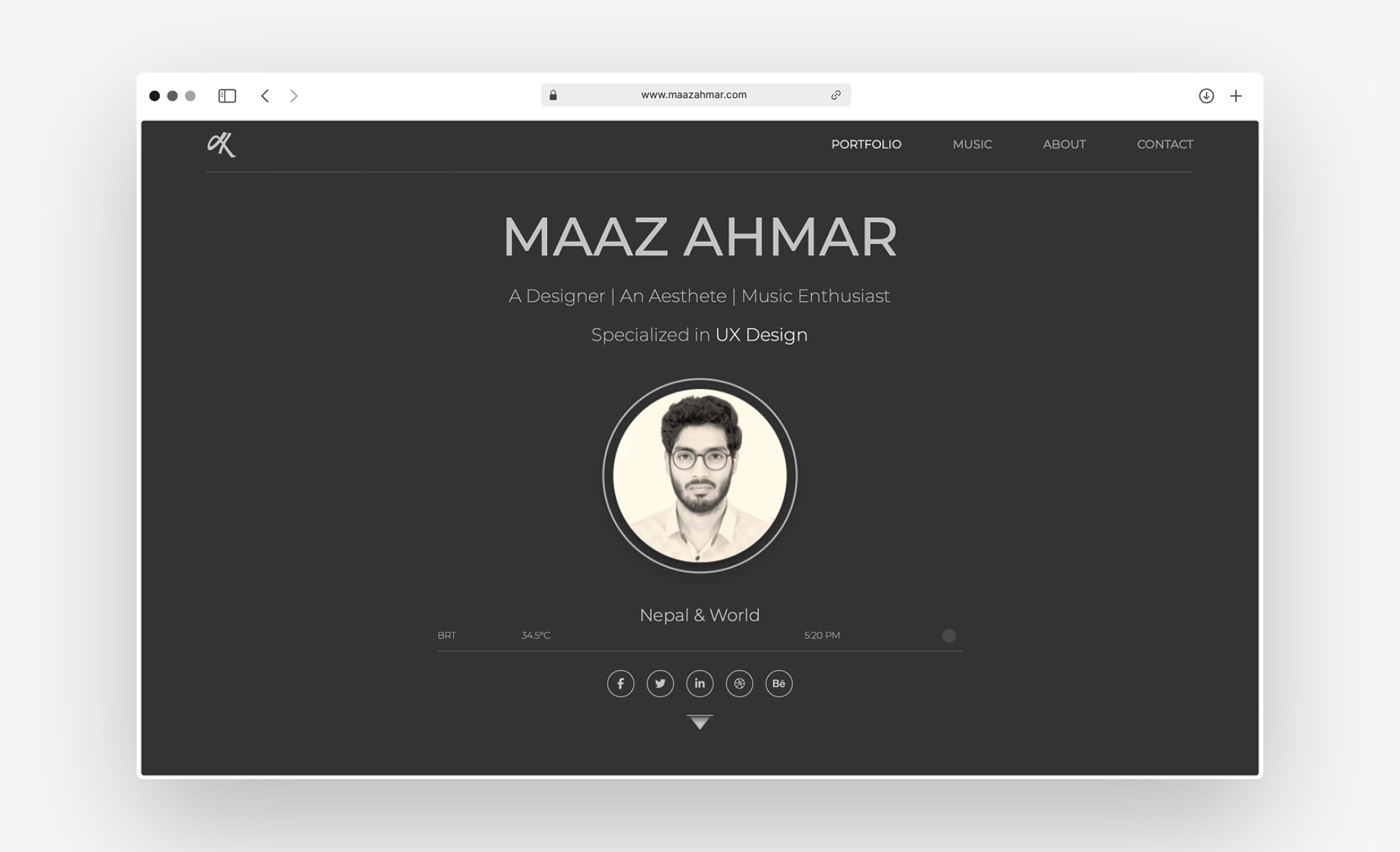
Maaz Ahmar – Personal Brand Website
Psychology & Neuroscience
Psychology (Cognitive Load Theory)Working memory can only handle 3–5 chunks at once. UX should minimize choices, distractions, and information overload to prevent fatigue and frustration.
Behavioral Psychology (Antonio Damasio’s Somatic Marker Hypothesis)Users rely on emotional cues, not logic alone. Emotional design (color, feedback, storytelling) heavily influences usability and trust.
Neuroscience (Dual Process Theory)The brain processes visuals in 13 ms and prefers patterns and faces. Interfaces must be visually scannable, with clear hierarchies and recognizable icons.
Psychology (Paradox of Choice, Barry Schwartz)Too many options reduce conversions and satisfaction. Limiting visible choices improves decision speed and confidence.
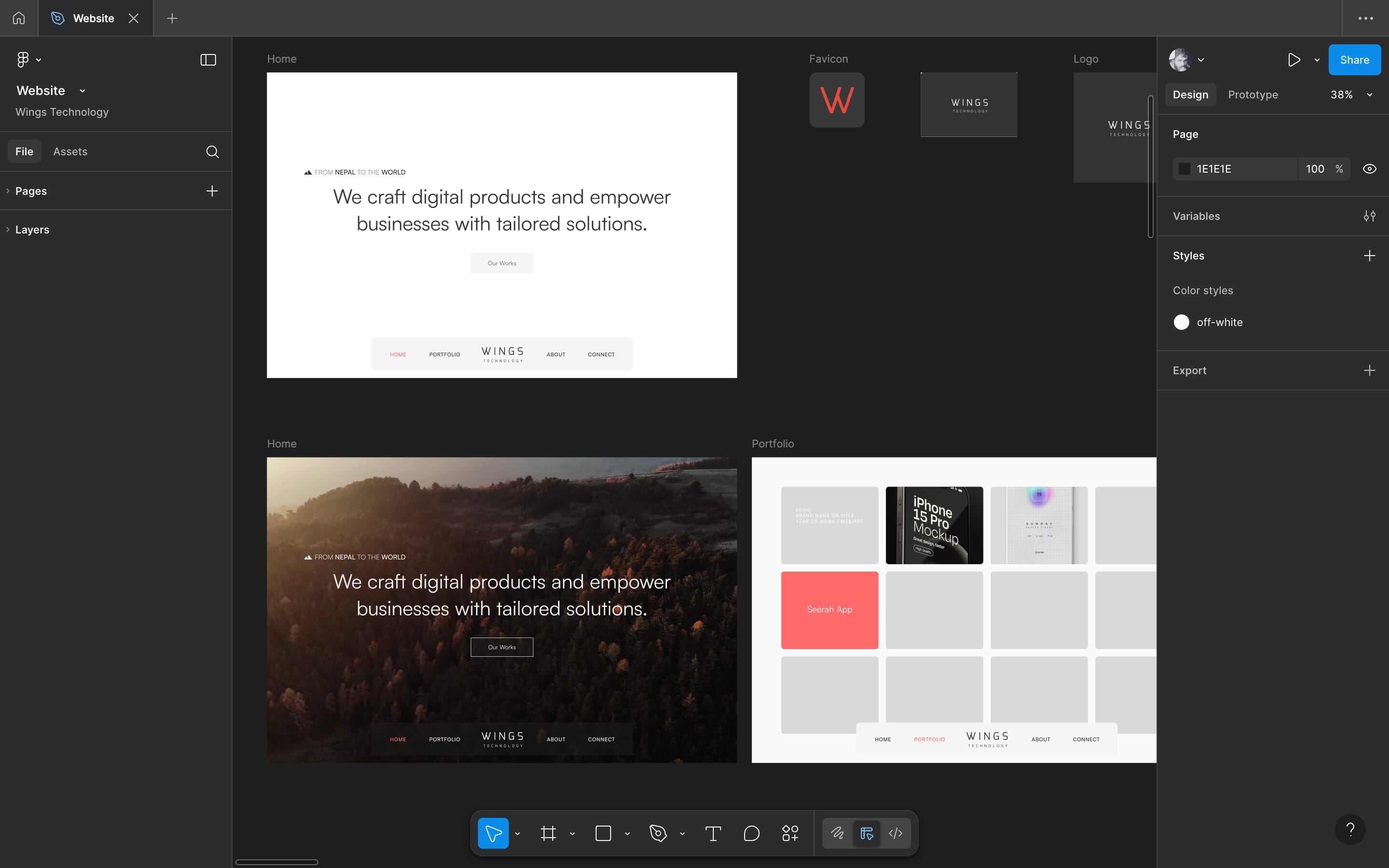
Wings Website — Clean, intuitive, and purposeful.
Search engines prioritize user experience, and we aim to design products users love—and search engines reward.
Users aren't just targets—they're people navigating a world of noise, chaos, and constant distraction. At its heart, our work is about honoring another human—being mindful of their wellbeing. It is about serving people with dignity rather than simply meeting needs transactionally. This human-centered approach gives meaning to our work.
“Cognition attempts to make sense of the world: emotion assigns value.”
— Donald A. Norman